In some ways, we have to understand our pasts and come to terms with them. Sometimes the people who have shaped us will apologize and take ownership for their mistakes and sometimes they won't What do you do when they don't? Or won't?
A friend shared with me recently that it's hard to forgive when the person you need to forgive won't apologize or repent. Sometimes that is the case. Yet, we're still called to forgive--as Christ has forgiven us. I think that can be really hard.
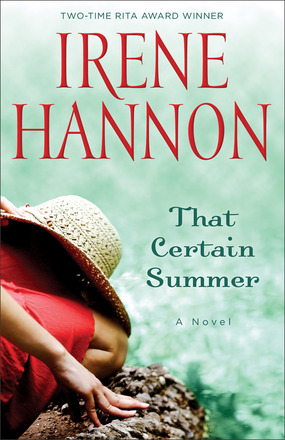
Two weeks ago, I read a fictional novel that explored this idea. It was Irene Hannon's new novel That
 Certain Summer. The story centers on two sisters, Karen and Val. Karen has stayed close to home and cares for her mother and her teenage daughter, while coping with working full-time and being newly divorced. Val has left the nest and run far away, intentionally. She became a high school drama teacher. Karen needs Val to come home for the summer to take care of their manipulative and draining mother while she cares for her own daughter who has a gymnastics injury.
A lot of the story works out as typical Christian fiction does. There's the neatly wrapped up ending and the redemption of several characters in the book. There's the prodigal returning to faith in the Lord. There's romance and healing.
But, what I think is worth focusing on in this book is the theme. The theme of forgiveness and healing. Forgiveness of others and of one's self. Val ran away on purpose. But, she knows she needs to face her pain, so she comes home. She and Karen clear out the boulders that were placed between them by their mother who demeaned them both when they grew up. This same mother that expects them to care for her. At one point in the book, there is a glimpse into her hardness and after that the mom tries a little. The author does not intimate that there was a change in her heart with regard to the Lord. Just that she makes some minor changes and tries to hold her tongue a bit more.
Val needs to forgive herself and accept God's love.
Karen needs to forgive her sister, her mom, and her ex-husband.
Their mom... well, she doesn't think she needs to be forgiven because she doesn't see anything wrong with what she's done. That doesn't change.
So, what do Val and Karen need to do? What are they called to do?
This book explores this theme. There are no discussion questions for this book. I wish there were.
So, here are a few of my own.
Is there someone in your life that you know you need to forgive? Have they admitted their mistake(s)?
Have they apologized? Do you realize the depth of how Christ has forgiven you?
Who do you identify with in this story? Why? Do you think Karen and Val made the right choices during these summer months? How does Karen begin to take responsibility for her own life?
Do you think we can change our own hearts? How does God change our hearts? How has God changed your heart? Has there been a time in your life when you did not want to forgive someone, yet God worked out forgiveness in your heart anyways?
I think it is very difficult to forgive someone who doesn't think they need to be forgiven. I think we can only truly forgive with God's help when we grasp how much we have to be forgiven of ourselves.
I also think there are a lot of parents like Val and Karen's mom. There have been several in my own ancestry. Our culture tells us that we should blame our parents for our problems. It's tempting. We have to take responsibility for our own decisions. Once you become an adult, you have to face your past and move on (or at least I think so). The past will periodically come back up and you have to deal with it. But, you can't live in it. If you try, it will paralyze you and cause you to grow bitter and resentful. It will steal your joy.
I know the ending is tied up a little too neatly. Everyone gets the happy ending that you want them to get. The characters grow and learn. Still, I think the theme of this book is worth pondering. Sometimes fiction books can help us examine our hearts and struggles in ways that nonfiction books cannot. Stories can speak to our hearts in a very special way.
Please note that I received a complimentary copy of this book for review from Revell Books.
A friend shared with me recently that it's hard to forgive when the person you need to forgive won't apologize or repent. Sometimes that is the case. Yet, we're still called to forgive--as Christ has forgiven us. I think that can be really hard.
Two weeks ago, I read a fictional novel that explored this idea. It was Irene Hannon's new novel That
A lot of the story works out as typical Christian fiction does. There's the neatly wrapped up ending and the redemption of several characters in the book. There's the prodigal returning to faith in the Lord. There's romance and healing.
But, what I think is worth focusing on in this book is the theme. The theme of forgiveness and healing. Forgiveness of others and of one's self. Val ran away on purpose. But, she knows she needs to face her pain, so she comes home. She and Karen clear out the boulders that were placed between them by their mother who demeaned them both when they grew up. This same mother that expects them to care for her. At one point in the book, there is a glimpse into her hardness and after that the mom tries a little. The author does not intimate that there was a change in her heart with regard to the Lord. Just that she makes some minor changes and tries to hold her tongue a bit more.
Val needs to forgive herself and accept God's love.
Karen needs to forgive her sister, her mom, and her ex-husband.
Their mom... well, she doesn't think she needs to be forgiven because she doesn't see anything wrong with what she's done. That doesn't change.
So, what do Val and Karen need to do? What are they called to do?
This book explores this theme. There are no discussion questions for this book. I wish there were.
So, here are a few of my own.
Is there someone in your life that you know you need to forgive? Have they admitted their mistake(s)?
Have they apologized? Do you realize the depth of how Christ has forgiven you?
Who do you identify with in this story? Why? Do you think Karen and Val made the right choices during these summer months? How does Karen begin to take responsibility for her own life?
Do you think we can change our own hearts? How does God change our hearts? How has God changed your heart? Has there been a time in your life when you did not want to forgive someone, yet God worked out forgiveness in your heart anyways?
I think it is very difficult to forgive someone who doesn't think they need to be forgiven. I think we can only truly forgive with God's help when we grasp how much we have to be forgiven of ourselves.
I also think there are a lot of parents like Val and Karen's mom. There have been several in my own ancestry. Our culture tells us that we should blame our parents for our problems. It's tempting. We have to take responsibility for our own decisions. Once you become an adult, you have to face your past and move on (or at least I think so). The past will periodically come back up and you have to deal with it. But, you can't live in it. If you try, it will paralyze you and cause you to grow bitter and resentful. It will steal your joy.
I know the ending is tied up a little too neatly. Everyone gets the happy ending that you want them to get. The characters grow and learn. Still, I think the theme of this book is worth pondering. Sometimes fiction books can help us examine our hearts and struggles in ways that nonfiction books cannot. Stories can speak to our hearts in a very special way.
Please note that I received a complimentary copy of this book for review from Revell Books.
Comments